Independent vs. Main Dealer Servicing in Cornwall: A Cost and Convenience Comparison
October 12, 2026 - Local Garages

Cornwall is hard on old cars. Salt in the air, lanes lined with hedges that seem to lean out as you pass, granite garages that hold damp right through the winter. None of that stops you running a classic down here, but it does shape the insurance conversation. Most classic policies rest on three things: an agreed value, a mileage limit, and somewhere secure to keep the car. Get those three right and the rest usually falls into place.
Age is only part of it. Many insurers use 20 or 25 years as a rough starting point, and 15 for so-called modern classics, but the bigger question is how the car is used. A classic policy assumes it isn't your everyday transport: low annual mileage, securely parked, usually a second or third vehicle, and in good order. Some schemes want club membership; others ask for photographs or an engineer's report on anything valuable or heavily restored.
Two bits of paperwork catch people out. Historic tax class is available at 40 years, and MOT exemption can follow if the vehicle hasn't been substantially changed — but neither removes the need for insurance. And a policy written for a garaged, low-mileage classic won't cover a car that's suddenly doing the run to Truro five days a week. Tell the insurer what you actually do with it.
Market value policies pay what the car was worth on the day of the loss. Agreed value policies pay a figure you and the insurer settle in advance. For a car you restored yourself, or one that has risen in value, agreed value is usually the better arrangement — provided you do the groundwork.
Review it every year or two. Restoration costs and values move, and a valuation set five years ago may look thin now. Ask about salvage retention too: if the worst happens, do you get first refusal on the remains? On a rare or sentimental car, that matters more than a few pounds off the premium.
A mileage cap is the main lever on price. Common bands are 3,000, 5,000 and 7,500 miles a year, with unlimited-mileage classics available at a higher rate. Your odometer reading is recorded when the policy starts and checked again at renewal.
If you're close to the limit by August, ring the insurer. Many will sell you an extra allowance mid-term, which is far less painful than a dispute after an incident.
Insurers like a locked garage at the policy address. What they don't like is discovering, at claim time, that "garaged" means a carport, a hay barn, or a stone shed open at one end.
Cornish storage has its own quirks. Granite and stone buildings breathe and hold moisture. Garages cut into a bank, or sitting at the bottom of a valley, can be damper than the weather outside. Old barns bring dust, straw and rodents. Coastal villages add salt mist to the mix. None of that is a deal-breaker — it just needs managing.
Where you drive affects risk as much as where you park. High-banked lanes scratch paint and hide oncoming tractors. Stone walls don't move. In summer the A30 and A38 carry heavy traffic and plenty of distracted visitors.
Then there's use. Classic policies are usually social, domestic and pleasure only. Commuting, wedding hire, delivery work, track days and hill climbs all need declaring, and sometimes separate cover. Adding a named driver for a spouse or a trusted friend is usually straightforward and worth doing.
Rural outbuildings are quiet, which suits owners and occasionally suits thieves. Ask what security features earn a discount and whether the insurer insists on a tracker above a certain value.
Before you ring anyone, gather the following.
Then ask what comparison sites never mention: is the agreed value reviewed annually, what happens if the car is written off, can I buy back the salvage, and what's covered if the garage is out of action while repairs are done? Insurance is a regulated product and terms vary widely between providers, so get answers in writing and keep them. For anything valuable, a specialist broker who deals in classics is worth the call.
Classic insurance isn't complicated once the three pillars — value, mileage, storage — are settled honestly. Do that, and you can get back to the part that matters: driving it.
Photo: Chris F / Pexels
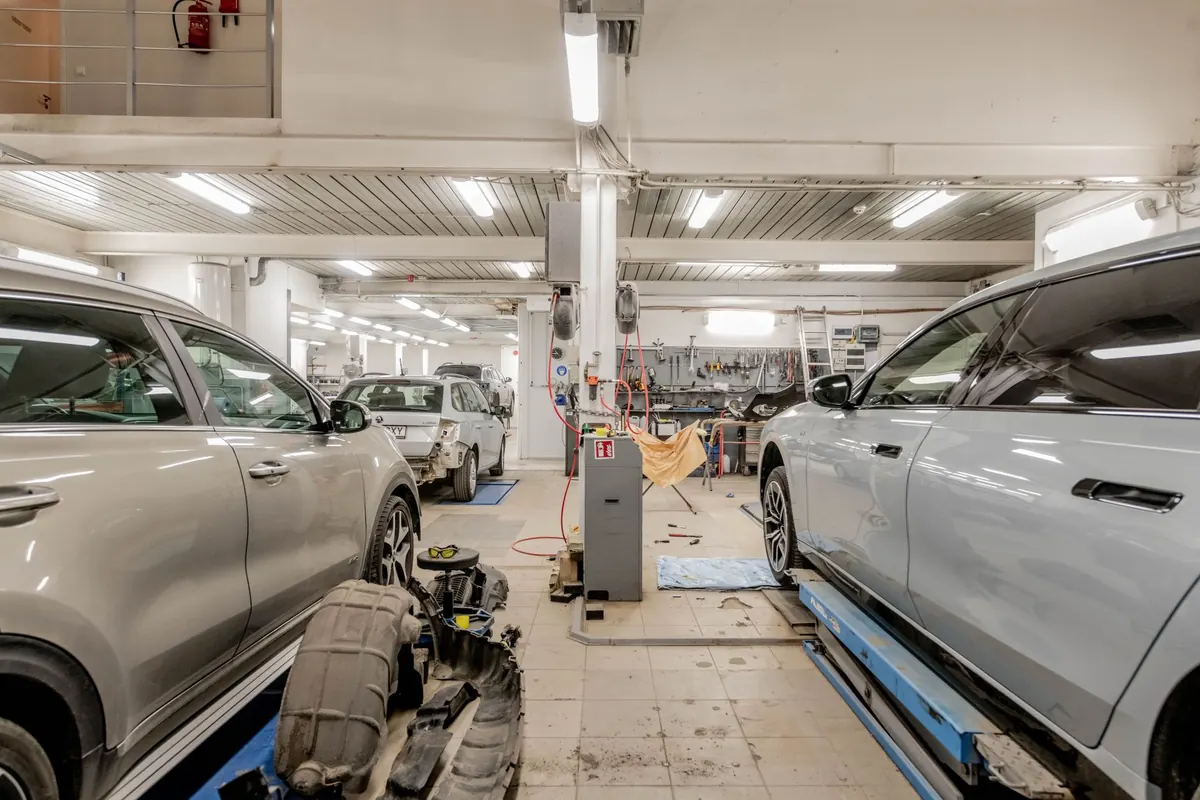
Main dealers and Cornish independents both have a case. How price, warranty, parts and travel time really compare —...

A practical checklist for finding a reliable garage in Cornwall: what to ask before booking, how to check reviews...
Copyright © 2026 Cornish Motoring. All Right Reserved.