Independent vs. Main Dealer Servicing in Cornwall: A Cost and Convenience Comparison
October 12, 2026 - Local Garages
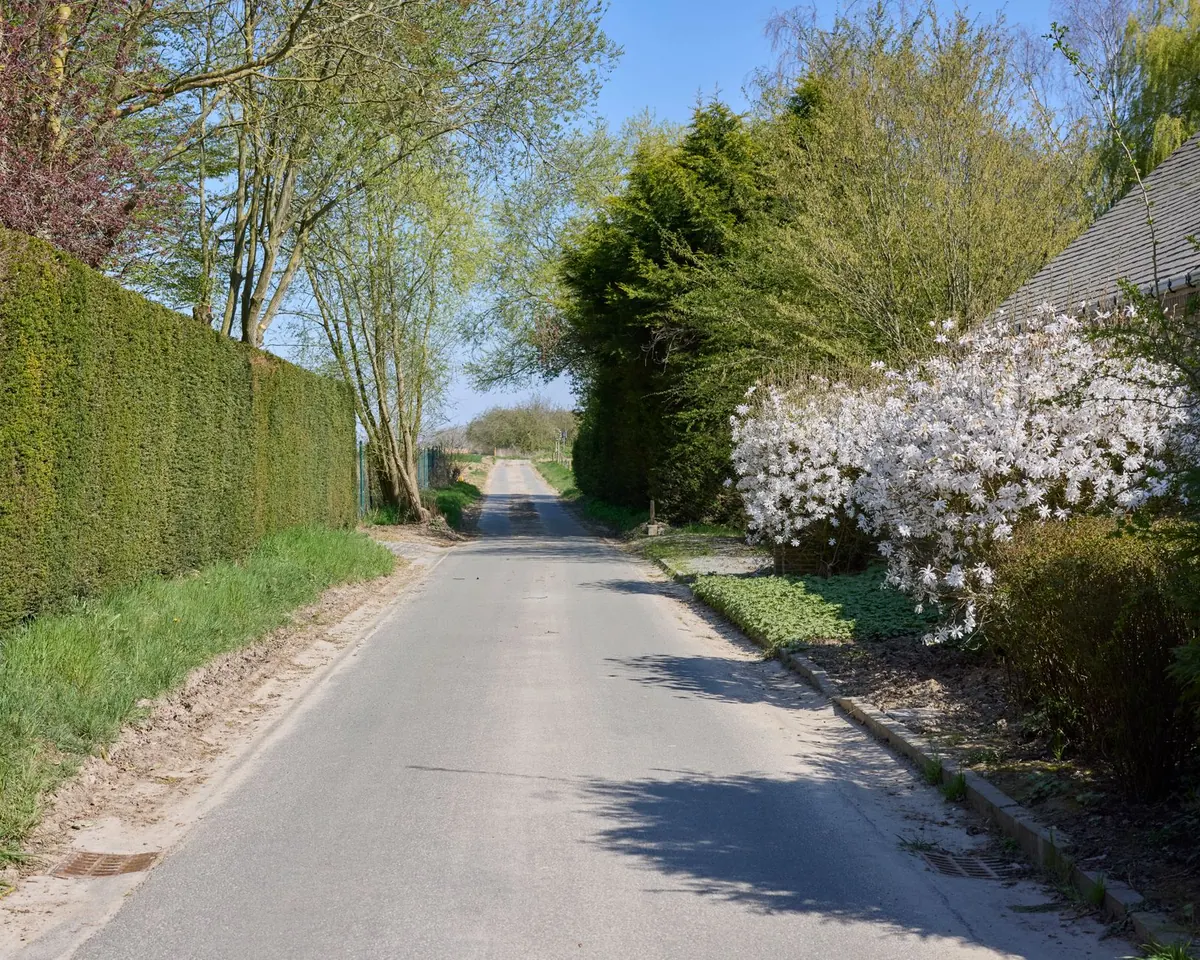
Most people arrive on the Lizard by accident. They come for a beach or a walk, miss a turning at a crossroads, and end up on a single-track lane with grass growing up the middle of it, reversing forty yards to the nearest passing place. That's part of the charm. It isn't a plan.
This loop is a plan. It takes in the whole peninsula — harbour villages, hidden coves, the satellite dishes on Goonhilly Downs and the most southerly point of mainland Britain — and it never asks you to drive quickly. Set aside a full day, fill the tank before you commit, and think twice about attempting it on an August bank holiday Saturday unless you enjoy queueing for a parking space.
The full circuit is roughly fifty miles of tarmac. Allow five to six hours with stops, and considerably more if you walk any of the coast path. The distances are short; the lanes are not fast.
Start in Helston, where the one-way system will spit you out towards the south whether you meant it or not. There's a boating lake, a decent bakery or two, and a Co-op for picnic supplies. If you're here in May, you may find the town closed for Flora Day, when the streets fill with dancers and the pubs open early. Check the date before you plan around it.
Head south to Porthleven. The harbour is the draw: a big granite basin, a clock tower, and a row of places to eat that has quietly got very good over the last decade. It's also the last spot on this route where you can buy a proper coffee without hunting for it. From here, leave the main road and take the lanes through Cury to Mullion. They're narrow, they climb and dip, and the sea appears between the hedges in flashes.
Mullion village has a couple of shops and a pub, and the cove below it is owned by the National Trust. Park at the top and walk down to the harbour — the lane is steep and there's nowhere sensible to leave a car at the bottom. The walk back up will remind you why you're glad you didn't drive it.
Then comes Kynance. The turning off the main road is easy to miss, and once you're on it the lane narrows to a single track with few passing places. The car park fills by mid-morning in summer. If it's full, don't circle — carry on to Lizard village and walk the coast path back, which is a couple of miles of rough, spectacular cliff. The cove itself changes shape with the tide: sand at low water, mostly rock at high. Check tide times before you plan to sit on the beach.
From Kynance, the road crosses Goonhilly Downs, an open heath of gorse and wind-bent scrub where the satellite dishes stand in a row like something from a different decade. It's a good place to pull over and stretch. Watch for livestock on the road, and for the sudden sea fog that can swallow the whole plateau in minutes.
Lizard village is a cluster of cottages, craft workshops and cafés, with a car park on the edge. Leave the car there and walk to the point — the lane down is short but narrow, and the parking at the bottom is limited. At the point you'll find the lighthouse, a couple of places for lunch, and a view that on a clear day runs west along the coast towards Mount's Bay.
Most of the coves here have small car parks run by the National Trust or the parish. Bring change or a card, arrive before ten in high season, and accept that on a hot Sunday you may need a plan B. Church Cove at Landewednack, often described as the most southerly parish church on the mainland, is a good alternative when Kynance is rammed.
From Lizard, take the lanes east towards Cadgwith. Park at the top of the village and walk down: the hill is steep, the streets are tight, and there's no room to turn around at the bottom. What you get for the effort is one of the best-looking fishing coves in Cornwall — thatched cottages, boats pulled up on the beach, and the Cadgwith Cove Inn a few steps from the water.
Inland, St Keverne has a couple of pubs around the square and a church with an unusually sturdy tower, a reminder of the days when this coast needed defending. Just outside the village, Roskilly's does farm ice cream and a decent lunch, and it's a sensible stop if you have children in the back.
Coverack is the last big harbour on the east side, a curve of sea wall with a beach behind it, and the Manacles reef offshore — a name that appears in a lot of local history. From there, the lanes run north through Porthallow, which marks the halfway point of the South West Coast Path, and on towards the Helford.
The Helford is a different kind of place: wooded, sheltered, almost riverine. Park at Helford village and take the foot ferry across to Helford Passage if you fancy a walk — it's a passenger boat, not a car ferry. Then loop back through Gweek, where the seal sanctuary is worth an hour if you have it, and return to Helston.
Two things catch people out. Country kitchens often stop serving at two in the afternoon and again by half eight in the evening. And in summer, Sunday lunch needs booking days ahead, not on the day.
Fuel up in Helston or Mullion. Petrol stations are scarce once you're out on the peninsula, and the lanes do terrible things to fuel economy. Take cash for small car parks and honesty boxes.
On single-track lanes, use the passing places: pull in on your left where you can, and if you meet someone head-on, the car nearest a gap does the reversing. Don't assume the other driver will. Keep speeds down anyway — hedges hide walkers, cyclists, tractors and the occasional horse.
Mobile signal is patchy on the downs and in the coves. Download an offline map before you leave. Sea fog can arrive quickly and turn a familiar lane into guesswork, so keep your lights on and your speed honest.
If you're walking any of the coast path, check tide times, wear something with grip, and tell someone where you're going. Cliffs here are steep and the rock is loose in places.
May, June, September and early October give you the best of it: quiet lanes, open car parks and pubs that have time to talk to you. Go slowly, stop often, and let the peninsula set the pace.
Photo: Erwin Bosman / Pexels
Main dealers and Cornish independents both have a case. How price, warranty, parts and travel time really compare —...

A practical checklist for finding a reliable garage in Cornwall: what to ask before booking, how to check reviews...
Copyright © 2026 Cornish Motoring. All Right Reserved.