Independent vs. Main Dealer Servicing in Cornwall: A Cost and Convenience Comparison
October 12, 2026 - Local Garages
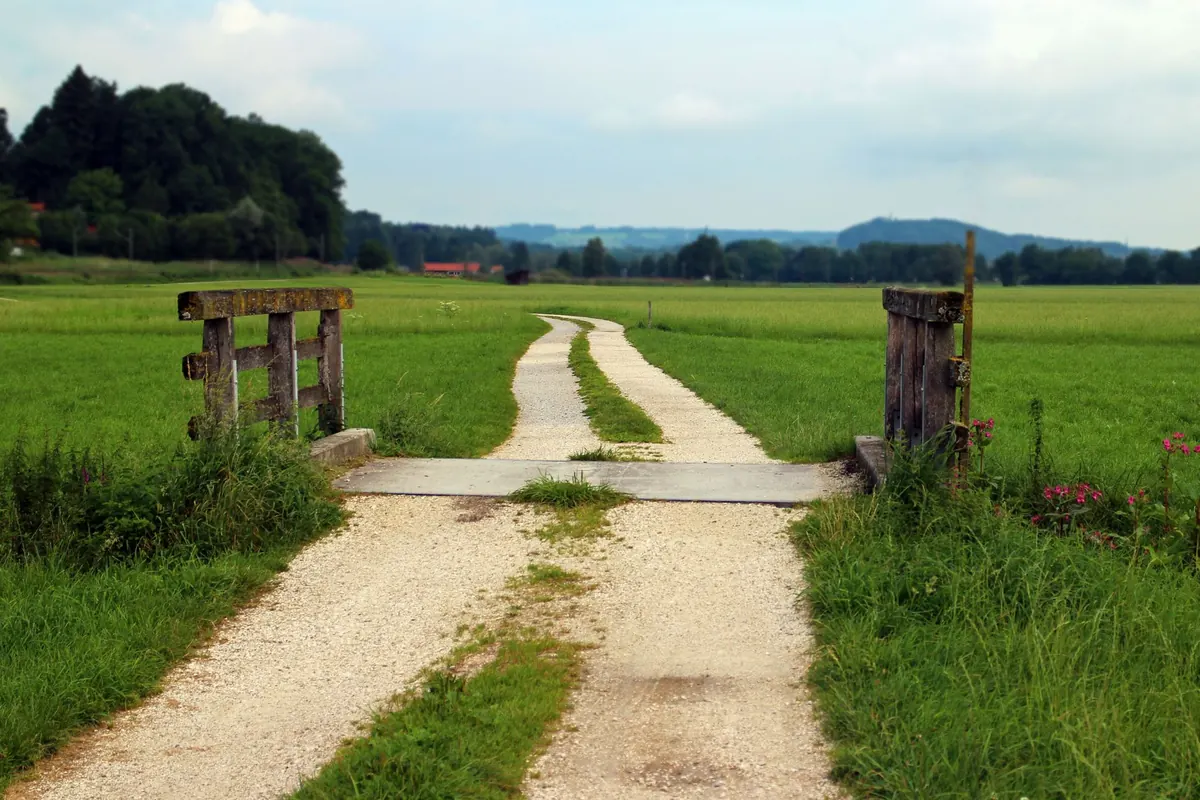
Cornwall's best corners are often at the end of a lane you'd struggle to push a wheelbarrow down. Single track, high banks, a smear of mud, and no clue what's coming the other way. That's part of the appeal. It's also where most holiday stress, and most scraped paintwork, happens. The good news is that there's a way of driving these lanes that makes them almost relaxing, and it comes down to two things: reading the road earlier than you think you need to, and being predictable for whoever is coming towards you.
Most of these roads were laid out for carts, horses and the occasional tractor. They were never widened, because there was nowhere to widen them to. The hedge runs straight to the tarmac on both sides, there's no verge, no white line, and often no view of anything beyond the next bend.
The trap is that a road can look perfectly normal on a map. Plenty of B-roads and unclassified routes across the county are single track with passing places, and satnav systems treat them exactly like any other road. If you've covered twenty miles of A-road and then turn off near a village, the change can happen within a hundred yards.
The most common mistake is carrying main-road speed into a lane that can't support it. The second is assuming the other driver will sort it out. Neither ends well. Drive at a pace where you could stop within the distance you can actually see, and the lanes stop being threatening.
Passing places are short widened sections, usually on one side of the lane, at intervals along the way. They exist so two vehicles can get past each other. Everything else people do with them causes trouble.
A flash of headlights can mean "I've seen you, come through" or "after you" in a way nobody quite agrees on. In a tight lane, a slow approach and clear positioning say more. When you do have to reverse, put the window down and use the mirrors properly — rear visibility from the driver's seat is poor in a loaded estate or a van.
Cornish hedges aren't just plants. They're earth-and-stone banks, often a metre or more higher than a car roof, and they hide everything: oncoming traffic, farm entrances, and occasionally a rather surprised sheep. They're also expensive to repair, so clipping one with a wing mirror is a costly day rather than a near miss. If your car has folding mirrors, fold them.
On blind bends, hold your line to the left and assume something is coming. Cutting the corner is the fastest way to meet a tractor head-on with nowhere to go. Where sightlines are genuinely nil, a brief toot of the horn can warn someone. Keep it short, and don't rely on it.
Watch the surface as well. Mud and slurry wash off fields at gateways, and they're slippery exactly where you're committed to a bend. Gravel sits in the middle of lanes after rain. Low winter sun on wet tarmac is a miserable combination, so keep sunglasses in the car year-round.
These lanes are shared. The Highway Code asks drivers to leave at least 1.5 metres when overtaking cyclists at speeds up to 30 mph, and more at higher speeds, and to pass horses at under 10 mph with at least 2 metres of space. On a lane with no verge, that often means waiting — and that's fine. A cyclist riding near the middle of a narrow lane is rarely being awkward; the edge is broken, gravelly or simply unsafe.
Walkers, dog owners and riders are in the same position: nowhere to step off. Slow to walking pace, give them the room you'd want, and never sound the horn behind a horse.
Farm traffic deserves its own paragraph. Tractors with wide implements, silage trailers and tankers use these lanes daily, and they can't easily reverse or squeeze past you. Pull into a gateway or passing place and let them through. If you meet one on a bend, stop where you
Photo: Pixabay / Pexels
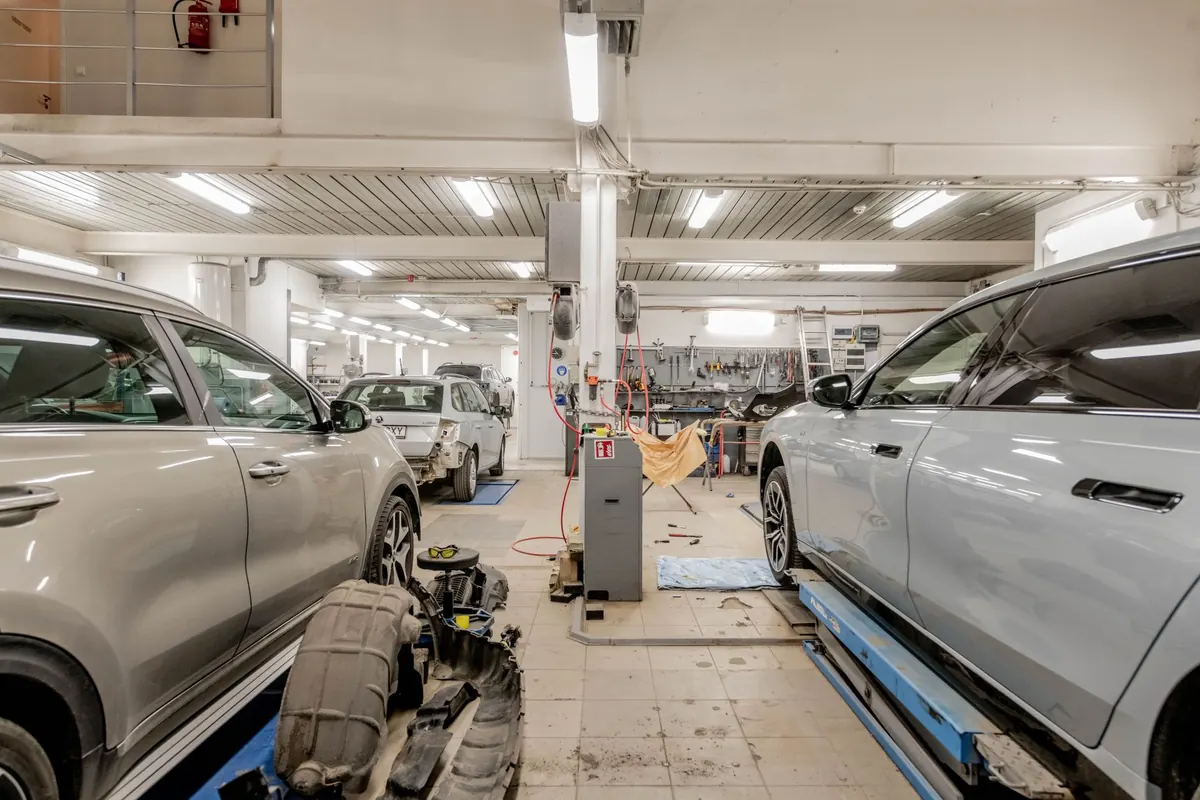
Main dealers and Cornish independents both have a case. How price, warranty, parts and travel time really compare —...
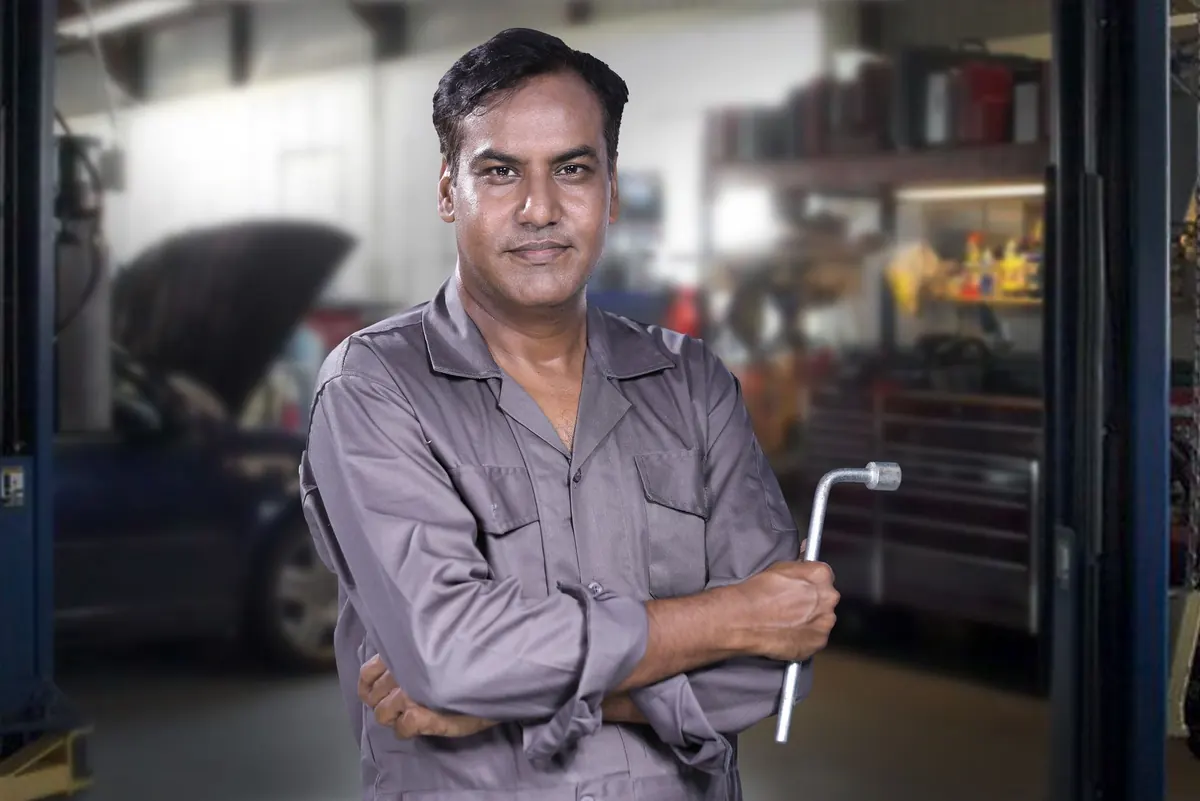
A practical checklist for finding a reliable garage in Cornwall: what to ask before booking, how to check reviews...
Copyright © 2026 Cornish Motoring. All Right Reserved.