Independent vs. Main Dealer Servicing in Cornwall: A Cost and Convenience Comparison
October 12, 2026 - Local Garages

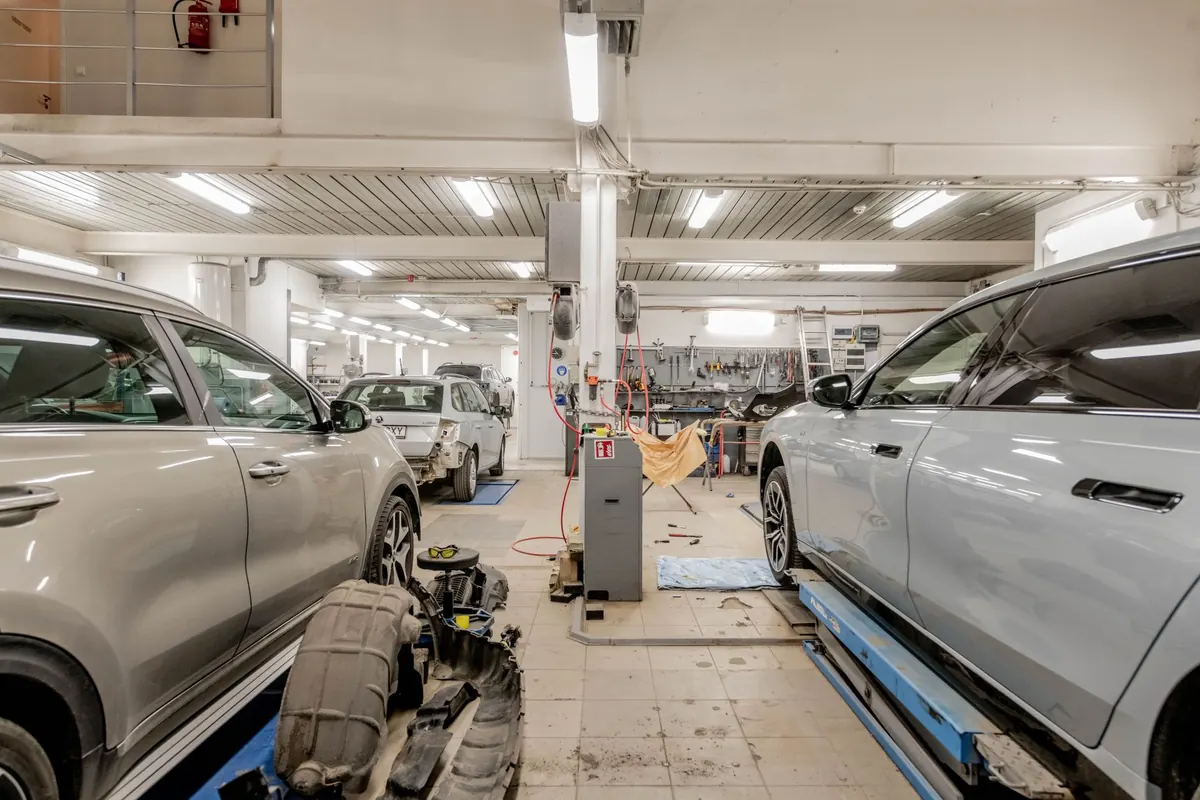
A car in Cornwall lives a harder life than most. Salt air works steadily on brake pipes and seams, lanes barely wider than the car knock the suspension about, and in summer the decent garages are booked solid for weeks. For plenty of households, the nearest main dealer is a long drive away in any case, so the local independent is the sensible option — provided you can tell a good one from a bad one. Here is what to ask, what to check, and what should make you keep your keys in your pocket.
Cornwall's spread is the first thing to get your head around. From Penzance to Bude is a serious trip, and dealer coverage clusters around the bigger towns. A good independent ten minutes away is worth far more than a franchised workshop fifty minutes away, particularly when a fault needs looking at twice in a fortnight.
Rural Cornwall also supports a lot of very small operations — a unit, a lift, one experienced pair of hands. That is not a warning sign on its own; some of the best mechanics in the county work alone. It does mean you should ask more questions, not fewer.
The government's free MOT history service shows every test, failure and advisory logged against a registration. Use it to see whether advisories were dealt with or simply repeated year after year, and to check that what a garage tells you matches the record. Check Companies House too — it takes a minute to confirm the business exists, how long it has been trading, and that the name on the invoice matches the name over the door. If a garage claims membership of a trade code such as The Motor Ombudsman, check the listing is current rather than relying on a sticker.
Read the one- and two-star reviews first. A single grumble means little; the same complaint repeated — vague extra work, bills well above the estimate, phones not answered — is a pattern. Look at how the garage replies, too. Then ask locally. Parish Facebook groups, the neighbour with the ageing Land Rover, the person behind the counter at the village shop: in Cornwall, word of mouth still outruns any advert.
Keep every invoice and write the date and mileage on it. A note of the fault, the part brand and the warranty period is what makes a later claim straightforward rather than a conversation about who said what. Ask about courtesy cars, local drop-offs or a lift into town before you need them — many small Cornish workshops offer something, but only if you ask in advance.
If something goes wrong, go back first with the invoice and the MOT record, calmly and specifically. Most problems are settled at that stage. If they are not, a trade body such as The Motor Ombudsman can advise where the garage is signed up, and Citizens Advice can point you to your consumer rights. Where money or legal action is involved, take proper professional advice rather than relying on a forum thread.
Do not hand a new garage its biggest ever job. Book an MOT, a service or a persistent rattle and watch how they handle it. Did the bill land near the estimate? Did anyone call before doing the extra work? Was the car returned with the seat and mirrors roughly where you left them? Small courtesies say a lot about how the workshop is run. Then book early in summer: holiday traffic and staff leave squeeze even the best-run garages from June onwards.
Get all five and you have found your garage — the one to ring when the alternator gives up in November, and the one worth recommending to your neighbour. Get one or two, and keep looking. Cornwall has plenty of good mechanics; it just pays to ask the right questions before you hand over the keys.
Photo: Imtiaz Ahmed / Pexels
Main dealers and Cornish independents both have a case. How price, warranty, parts and travel time really compare —...

A practical 2025 update on Cornwall's charging network, what public charging really costs, and how rural drivers can...
Copyright © 2026 Cornish Motoring. All Right Reserved.