Independent vs. Main Dealer Servicing in Cornwall: A Cost and Convenience Comparison
October 12, 2026 - Local Garages

A classic car in Cornwall makes a certain kind of sense. Empty B-roads on a Sunday morning, a pasty on the passenger seat, a garage that smells of oil and old vinyl. Then you kneel down beside one that has spent thirty years within half a mile of the Atlantic, and the romance gets complicated. Salt air, damp winters and a little neglect will find every seam on a steel body. This checklist is for the first-time buyer who would rather learn the cheap lesson.
Before you look at a single panel, look at the documents. The V5C should carry the seller's name and address, and the chassis or VIN plate on the car should match the number printed on it. If those two disagree, stop and ask why. A mismatch is not always sinister, but it is always worth a proper answer.
Then check the MOT history on the DVSA's public online service. It lists failures and advisories going back years, and the rust advisories are the ones to read slowly. Cars over 40 years old may qualify for historic tax class and MOT exemption if they have not been substantially changed, but the rolling date moves and the conditions are specific, so check the current DVLA guidance rather than relying on what a seller tells you.
Ask to see receipts: restoration work, parts, servicing, old MOTs, photographs of a rebuild in progress. A fat folder of invoices is worth more than a gleaming engine bay, because anyone can spend a Saturday with a pressure washer and a tin of back-to-black.
Rust decides whether you are buying a car or a welding project. Coastal air accelerates it, and it rarely starts where you can see it. Take a torch, a small mirror on a stick, a magnet wrapped in masking tape so it does not scratch, and something to lie on. Wear clothes you do not like.
These are the places worth ten minutes each:
What you are looking for is bubbling under paint, a magnet that refuses to stick, a dull crunch when you press with a thumb, or fresh underseal over a suspiciously lumpy surface. Filler and welded patches are not automatically a deal-breaker, but you need to know how much there is and who did it. Bear in mind that bolt-on panels are cheap to sort; a roof, rear quarter or one-year-only wing is not.
Ask the owner not to warm the engine before you arrive, and turn up early. A cold start tells you far more than a warm one. Listen for a rattle that disappears after thirty seconds, watch the exhaust for blue or white smoke, and note how long the starter has to work.
Pull the dipstick: gritty black oil suggests skipped servicing. Check the coolant for a rusty brown colour or an oily film, and the brake fluid reservoir, which darkens as it ages. Look for fresh drips on the ground and damp patches around the sump, gearbox, differential and brake backplates. Squeeze the hoses and belts; perished rubber cracks when you bend it. Tyres need checking for cracking and for the four-digit date code on the sidewall, which tells you the week and year they were made.
Then work through the electrics with the engine off and again with it running: lights, indicators, hazards, wipers, washers, heater fan, horn, gauges and any electric windows. Old wiring is where small faults multiply, and a loom that has been chopped about with scotch locks is a warning sign.
Let the owner drive first so you can listen and watch the car from the passenger seat. Then take the wheel yourself for at least fifteen minutes, and choose your route deliberately. Cornwall gives you everything you need: a steep hill, a rough lane and a stretch of main road.
On the hill, watch the temperature gauge and feel for a clutch that slips. On the rough lane, listen for knocks from the suspension and steering. On the main road, brake firmly from speed in a safe place with your hands light on the wheel; the car should stop straight without pulling. Check for play in the steering, a crunch into second gear, a whine from the differential, and a brake pedal that sinks under steady pressure. Be mechanical-sympathetic throughout. You are diagnosing someone else's car, not auditioning for a rally stage.
After the drive, look underneath again while everything is hot. Weeping joints and seals show themselves then.
A car is only as good as the support around it. Ask who services it locally and how far away that person is, because a two-hour tow is part of the ownership experience. Check that parts are available through clubs and specialists. A popular British sports car will be straightforward; an obscure continental saloon may leave you hunting overseas for a water pump.
Sort insurance before you collect, and be honest about modifications. Agreed-value policies and limited-mileage cover are common for classics, but the terms vary, so read them or take professional advice if anything is unclear. Storage matters in Cornwall too. A dry, ventilated garage beats a damp one, and a breathable cover beats a plastic sheet that traps condensation against the paint. Set aside a contingency for the first year of ownership; there is always something.
Go back for a second viewing in dry daylight, and take someone who knows old cars. For anything expensive, paying a specialist to inspect it is money well spent. Confirm the engine number and chassis number against the V5C, check the seller's identification matches the document, and make sure the MOT and tax status are what they claim.
Get a written receipt showing the date, the price, both names and the car's details, plus the current mileage. Collect both keys, the V5C new keeper slip, the history file and any spare parts. Do not hand over money before the paperwork is in your hand, and a bank transfer is safer than a carrier bag of cash.
Finally, trust the walk-away instinct. If the seller rushes you, if the story changes between visits, or if a small voice says the sills are worse than they look, there is another car out there. Cornwall has plenty of good ones, and the best first classic is the one that gets driven rather than welded.
Photo: Stephen Hazelwood / Pexels
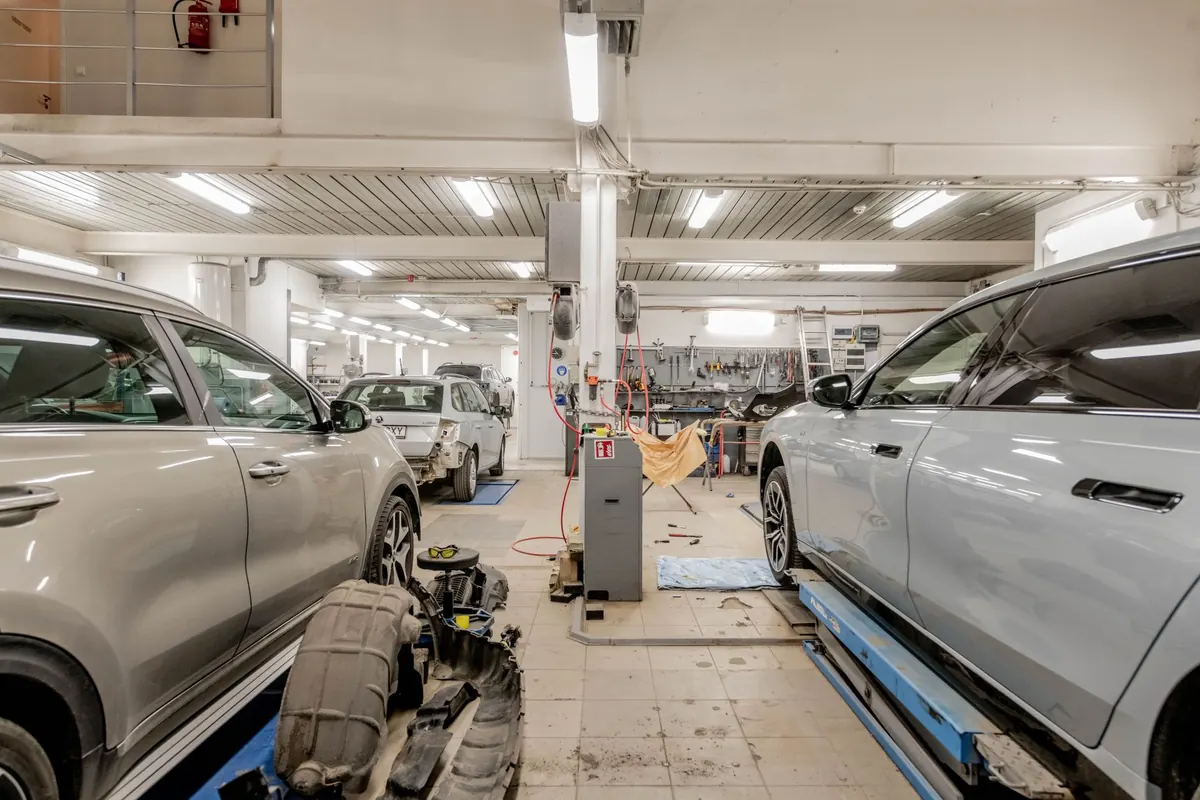
Main dealers and Cornish independents both have a case. How price, warranty, parts and travel time really compare —...

A practical checklist for finding a reliable garage in Cornwall: what to ask before booking, how to check reviews...
Copyright © 2026 Cornish Motoring. All Right Reserved.