Independent vs. Main Dealer Servicing in Cornwall: A Cost and Convenience Comparison
October 12, 2026 - Local Garages
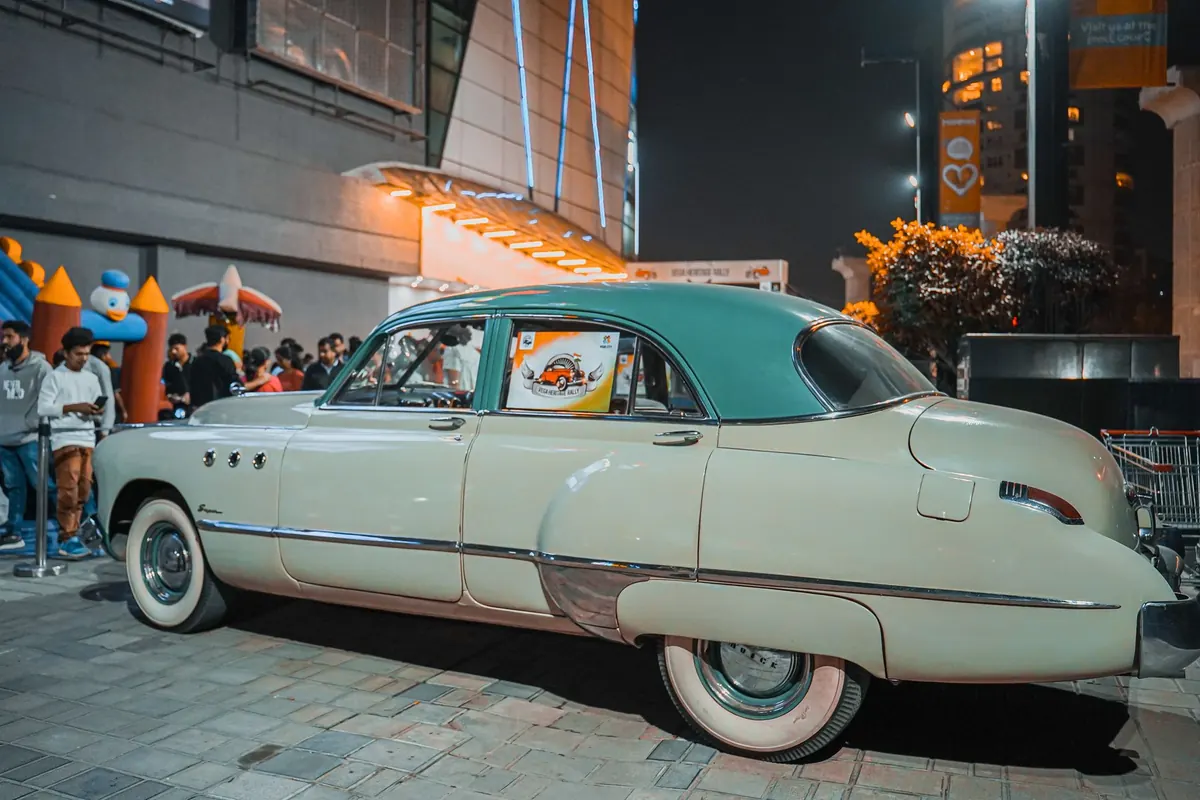
Your first Cornish car show is unlikely to be held in a neat exhibition hall with a covered walkway to the coffee stand. More often it's a sloping field above a bay, a showground whose gate opens onto a lane barely wider than your car, and a forecast that changes its mind four times before lunch. None of that spoils the day, as long as you turn up prepared for it. Here's what to sort out beforehand, what to put in the boot, and the small things nobody mentions until you're queueing at the gate.
Most events sell discounted tickets online in advance and charge more on the gate, and a fair few are pre-book only, particularly club stands and anything involving arena slots or passenger rides. Check whether the price is per car or per person. Plenty of shows charge per vehicle, which changes the arithmetic completely if four of you are travelling together.
Aim to arrive in the first hour of opening. Exhibitors are usually let in earlier than the public, so if you're displaying a car you'll get a joining instruction with your pass. Summer traffic on the A30 and A38 builds well before ten, and the final mile into a rural site is always the slowest part of the journey. Leaving half an hour later than you planned can cost you an hour.
Screenshot your ticket, or better still print it. Signal in Cornish valleys is patchy, and a screenshot works when a web page won't load. Keep some cash in the glovebox for programmes, raffles and ice cream vans that can't take a card.
Coastal venues can deliver drizzle, bright sun and a stiff onshore breeze inside the same hour. Pack for all three and you'll be comfortable whichever one turns up.
Follow the marshals. They know where the ground drains and which corner turns to soup by mid-afternoon, and the space you've spotted as ideal is often reserved or a route for emergency access. Don't park on verges, in gateways or across farm entrances, even if it looks convenient and nobody is watching.
Before you walk away, take a photo of your car in its row with a landmark in shot — a gate, a marquee, a distinctive tree. Grass car parks all look identical after four hours of walking around. Note whether you're parked facing uphill, because that matters if the field gets wet while you're inside.
Low-slung cars with stiff suspension may scrape on the ramp into a field. Take it slowly and at an angle rather than head-on. If you're in something rear-wheel drive and the grass is greasy, gentle throttle and a bit of momentum beat drama every time. If rain sets in and your car struggles on a slope, leaving before the main exodus is far less stressful than joining it.
Don't touch the cars. Not the paint, not the badges, not the door handles. If you want to see inside, ask the owner, and accept a no without taking offence — some cars are fragile, some are freshly restored, and some owners have simply been asked two hundred times that morning.
Ask before photographing interiors or people, and keep children and dogs under control near the display area. Never let a dog near a car with the owner standing beside it, and never leave one in a parked vehicle on a warm day. Cyclists, mobility scooters and pushchairs all share the same narrow paths between rows, so give way and don't stop dead in the middle of a thoroughfare to take a photo.
On conversation: "Is it original?" can land badly with a restored car. Ask about the history, how long they've owned it, or what the biggest job was. Owners will happily talk for twenty minutes if the question is genuine, and that conversation is often the best part of the day.
Expect a queue for the toilets, a commentary you can't always hear clearly, and a timetable that slips. Expect dust in dry weather and mud in wet, and a longer walk from the car than you'd like. Expect a wonderfully mixed line-up: a concours-standard saloon parked next to a scruffy but much-loved project, a row of club stands, autojumble tables selling the exact bracket you've been hunting for two years.
Bring patience and you'll enjoy it more. Pay attention to where you parked, keep an eye on the clock if you want to avoid the worst of the exit, and don't plan anything demanding for the evening.
The last stretch to many venues involves single-track lanes with passing places and high hedge banks. Drive at a speed where you can stop within the distance you can see. If you meet another car, the one nearest a passing place reverses, and it's usually quicker to be the one who gives way gracefully. Slow right down through villages, give horses and cyclists plenty of room, and don't tailgate on blind bends. If you're towing, this all applies twice over.
Fill the tank before you set off — rural filling stations are spread out and not all of them are open late. Confirm your tickets are saved offline, your layers are on the back seat rather than buried under the spare wheel, and you and your passengers have agreed a meeting point in case the phone signal dies. Take a tenner in cash, charge your phone, and give yourself a realistic amount of time for the journey.
Then relax and enjoy it. Cornwall's car events are friendly, informal and full of people who genuinely want to talk about the thing parked in front of them. Turn up prepared, be decent to the marshals and the cars, and you'll be back next year with a folding chair, a flask and opinions about which show is best.
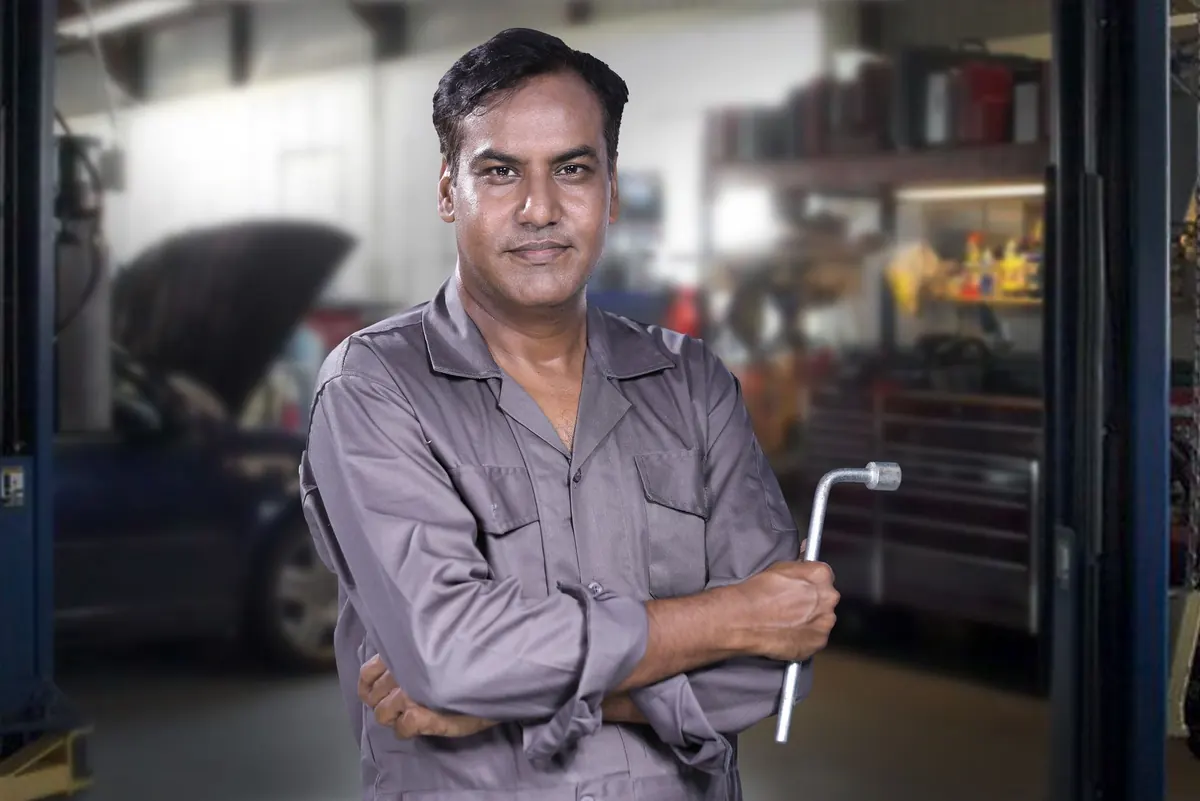
Photo: Syed Qaarif Andrabi / Pexels
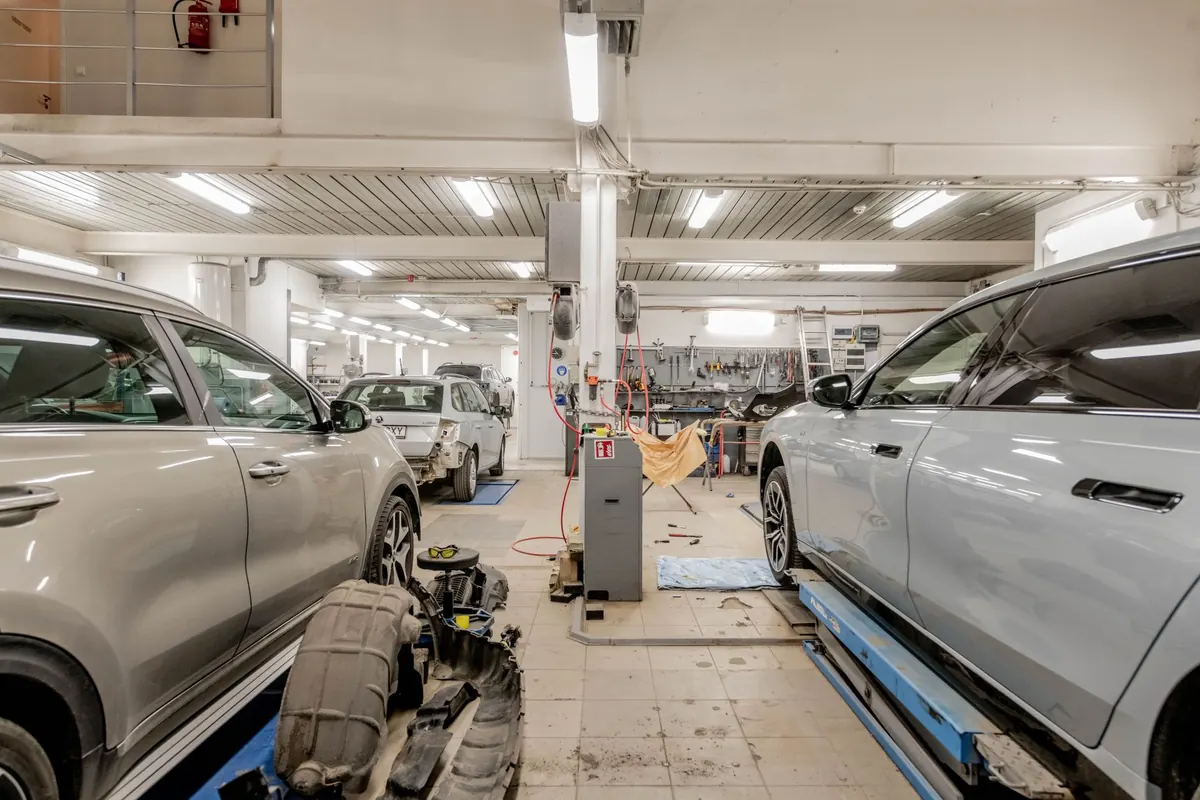
Main dealers and Cornish independents both have a case. How price, warranty, parts and travel time really compare —...
A practical checklist for finding a reliable garage in Cornwall: what to ask before booking, how to check reviews...
Copyright © 2026 Cornish Motoring. All Right Reserved.