Slots, Poker, and the Real Math Behind Your Bankroll
November 28, 2026 - iGaming


November 28, 2026 - iGaming
November 28, 2026 - iGaming
November 28, 2026 - iGaming
November 28, 2026 - iGaming

Ask ten gamblers why they play and you'll get ten different answers. The thrill. The escape. The dream of a life-changing score. But ask them how the games actually work under the hood and most will shrug. That gap between passion and understanding is exactly where the house makes its money, and it's also where you can claw some of it back. Whether you're spinning slots at 3 a.m., grinding a low-stakes poker table, or sweating a Sunday accumulator, knowing the mechanics changes how you play, how you bet, and how you feel when variance inevitably slaps you in the face.
Let's kill the most persistent myth first: machines do not go hot or cold. Modern slots run on a Random Number Generator that produces thousands of outcomes per second. The moment you hit spin, the RNG has already picked your result, independent of the last 500 spins. The lights, the near-misses, the "almost jackpot" animation—all designed to keep you pulling the lever.
What actually matters is Return to Player (RTP) and volatility. RTP is the theoretical percentage of all wagered money returned to players over millions of spins. A 96% RTP slot keeps 4% for the house over the long run. Popular titles cluster between 94% and 97%. But here's the catch: that number means nothing in a single session. You can hit 500% or lose everything in twenty minutes—that's variance. You will find a helpful summary at บาคาร่า.
Volatility is the personality of the slot. High-volatility games like the classic Book of Ra style shoot for rare but massive payouts. Low-volatility games drip small, frequent wins. Which is better? Depends on your bankroll and your patience. If you're playing with €50, a high-volatility slot will eat you alive before the bonus round ever hits.
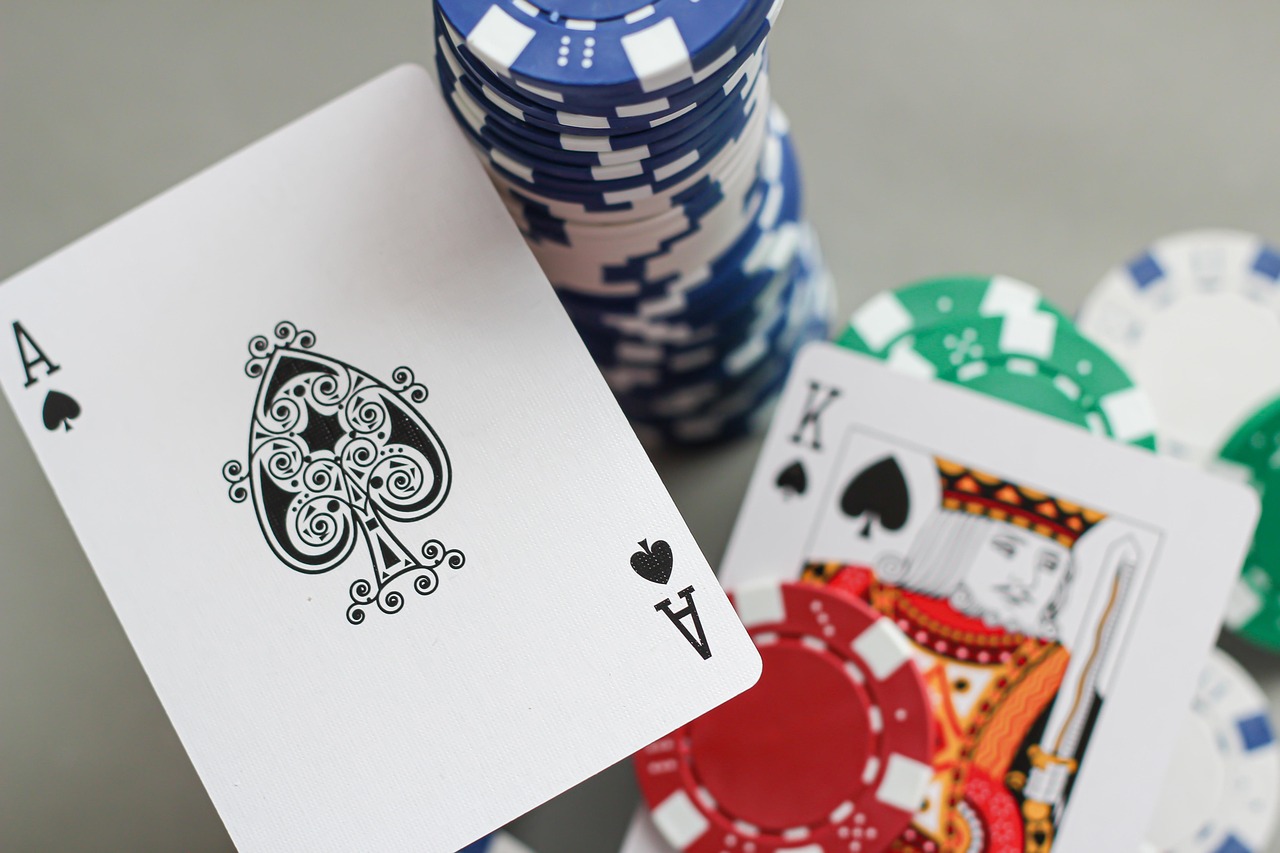
Here's what separates poker from every other form of gambling: you're not betting against the house, you're betting against other humans—and the house just takes a rake. That means a skilled player can actually have a positive expected value over time. No slot machine will ever offer that.
But "skilled" is doing a lot of work in that sentence. Winning poker comes down to three pillars: position, pot odds, and reading ranges. Position is the simplest edge—acting last means you have more information before you commit chips. Pot odds are math: if you need to call €10 to win a €50 pot, you need at least 16.7% equity to break even.
Range reading is the hard part, and where most recreational players bleed money. Beginners think in terms of specific hands—"he probably has ace-king." Winners think in ranges—"given his preflop raise from early position, his range is probably pocket pairs 77+, AQ suited plus, and maybe some suited connectors." That shift in thinking takes years to internalize, which is why 80% of online poker players lose money long-term.
If you're starting out, stick to tight-aggressive play. Play fewer hands, but play them aggressively. Fold the junk. Watch how opponents react to pressure. And for the love of everything holy, stop limping into pots—it's the single biggest leak in micro-stakes poker.
Sportsbooks aren't in the business of gambling. They price markets so that regardless of the outcome, they profit from the vig—typically 4% to 8% built into the odds. A coin-flip priced at -110 on both sides means you need to win 52.4% of bets just to break even. That's the mathematical wall every bettor runs into.
So how do sharp bettors survive? They hunt for value, meaning they bet when the offered odds are higher than the true probability. If you think a team has a 55% chance to win and the book prices them at even money (implied 50%), that's a +EV bet. It doesn't guarantee a win—nothing does—but it prints money over thousands of bets.
The practical shortcut: compare odds across multiple books. Line shopping alone adds 2-4% to your long-term return, which is often the difference between profitable and broke. Also, focus on markets where books are lazy—niche leagues, player props, second divisions. The NFL main market is razor sharp; the Norwegian second division is not.
Here's the uncomfortable truth: most gamblers don't lose because they pick bad bets or spin bad slots. They lose because they bet too much per unit relative to their bankroll. A 55% win-rate bettor can still go broke if they're staking 20% of their roll per wager. Variance doesn't care how smart you are.
The standard guidance in sports betting is 1-2% of bankroll per bet. In poker, 20-30 buy-ins is considered the minimum for a given stake level. For slots, treat your session budget as disposable entertainment, not an investment—because it isn't one. The 4% house edge grinds you down over time, guaranteed.
Set loss limits before you start. Use casino tools—deposit limits, session timers, self-exclusion—if you feel control slipping. That's not weakness, it's discipline, and the players who last are the ones who respect it.
Welcome bonuses are real money, but the wagering requirements usually make them far less valuable than they look. A €100 bonus with 40x wagering means you must bet €4,000 before withdrawing, often on slots contributing only 20% toward clearing. Do the math before you claim. Rakeback and loyalty programs are quieter but genuinely add value—especially in poker, where 20-30% rakeback can turn a break-even player into a winner.
Every game in iGaming is a transaction, and the house is never sentimental. Slots are entertainment priced at a fixed edge you cannot beat. Poker is a skill game where the edge belongs to those who study hardest. Sports betting is a market where value hides in the inefficiencies most bettors are too lazy to find. Knowing which one you're playing—and what it's actually costing you—is the difference between a hobby and a slow bleed. Play deliberately. Track everything. And never confuse a hot streak with an edge, because the math always has the last word.
Most players lose money at online casinos for the same embarrassing reason: they treat every game as if it belongs...
You've probably been there: twenty spins into a session, your balance is bleeding, and the friend next to you just...
November 28, 2026 - iGaming
November 28, 2026 - iGaming
November 28, 2026 - iGaming
Copyright © 2026 Cornish Motoring. All Right Reserved.