Slots, Poker, and the Real Math Behind Your Bankroll
November 28, 2026 - iGaming


November 28, 2026 - iGaming
November 28, 2026 - iGaming
November 28, 2026 - iGaming
November 28, 2026 - iGaming
Most players lose money at online casinos for the same embarrassing reason: they treat every game as if it belongs to the same species. A slot spin, a poker raise, and a sports bet are three completely different animals, governed by different math, different edges, and different skill ceilings. If you’re still approaching them with one generic “bet small and hope” strategy, you’re not gambling — you’re donating. Let’s fix that.
Slots are the most popular vertical in iGaming, and also the most misunderstood. Walk into any forum thread and you’ll find people swearing a machine is “due” or that a bonus round is “warming up.” It isn’t. Each spin on a modern video slot is an independent event driven by a random number generator (RNG). The machine has no memory of your last 200 spins, and it does not care about your feelings.
What you can control is your exposure to the house edge, and that edge is expressed through Return to Player (RTP). A slot with 96% RTP loses, on average, four cents per dollar wagered over millions of spins. Drop to 94% and you’re losing six cents. That two-point gap sounds trivial until you run the numbers: More background can be found at FUN88.
Here’s the practical takeaway. Before you load a slot, check the paytable or the game info screen. Most regulated operators publish RTP per game because it varies — sometimes the same title has a 96.2% version on one site and a 94.1% version on another. Casinos absolutely do choose which configuration to run.
RTP tells you the long-run trend; volatility tells you the ride. Low-volatility slots pay smaller amounts frequently, stretching your session. High-volatility slots pay rarely but can hit 5,000x or 10,000x your stake. Neither is “better.” The mistake is playing a high-volatility monster with a bankroll sized for penny spins. A rough rule: if you’re not prepared to stomach 300+ dead spins in a row, you overbought. Stick with your bet size at roughly 1% or less of your total session bankroll when playing high-variance games.
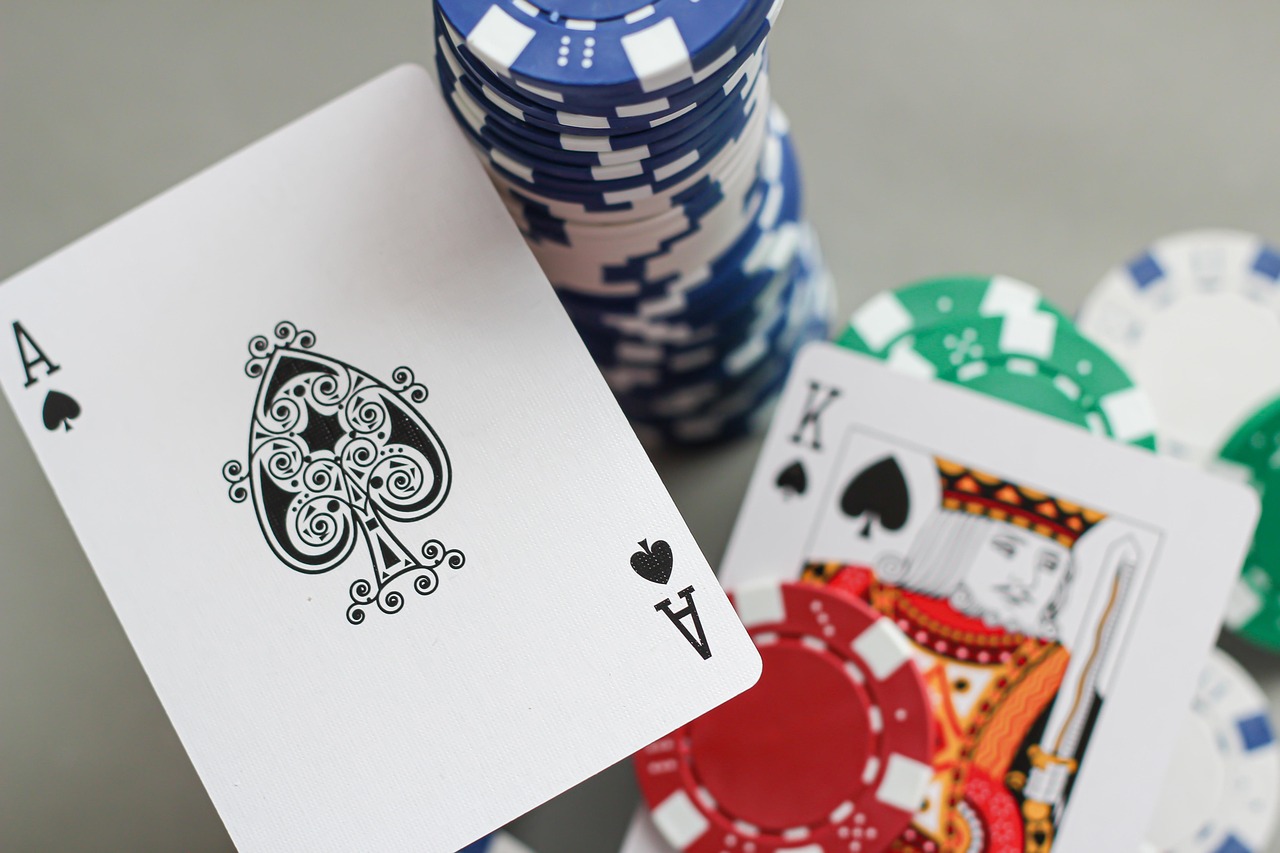
This is the fundamental, liberating difference. In poker, the house takes a rake — a small cut of each pot, typically 5% capped at a few dollars in cash games — and then steps aside. You’re competing against other humans, many of them bad. That means poker is the only major casino vertical where a skilled, disciplined player can maintain a long-term positive expectation.
But “skilled” doesn’t mean what movies suggest. It means:
The single biggest leak for recreational players is playing too many hands. If you’re seeing the flop in 40% of hands at a full-ring table, no amount of “reading” will save you. Top players sit around 18–25% in full-ring cash games. Tighten up, and your win rate improves before you learn a single advanced concept.
Also, be honest about the format. No-limit hold’em cash games demand deeper stack management than fast-fold variants where you’re constantly reseated against unknowns. If you’re learning, Zoom-style pools are convenient but often tougher per-hand because regs can multi-table them efficiently. Live low-stakes games or soft regional player pools remain the friendliest grounds for improvement.
If you bet sports, the vig — the juice, the commission baked into the odds — is your silent opponent. Standard pricing is -110 on both sides of a spread, which implies a 52.4% break-even rate. Getting to a genuine 55% win rate is brutally hard and takes seasons of work. Getting the best available price on the same bet is comparatively easy — and it’s where amateurs bleed. Those comparing choices often turn to FUN 88.
A point spread might be -3.5 at -110 on one book and -3.5 at -105 on another. Those few cents compound over hundreds of bets. Serious bettors hold accounts at multiple sportsbooks for exactly this reason. If you’re betting with a single book out of loyalty, you’re paying a convenience tax that no handicapping skill can recover.
Every vertical shares one requirement: a bankroll plan you wrote down before emotion entered the room. A few principles that survive contact with reality:
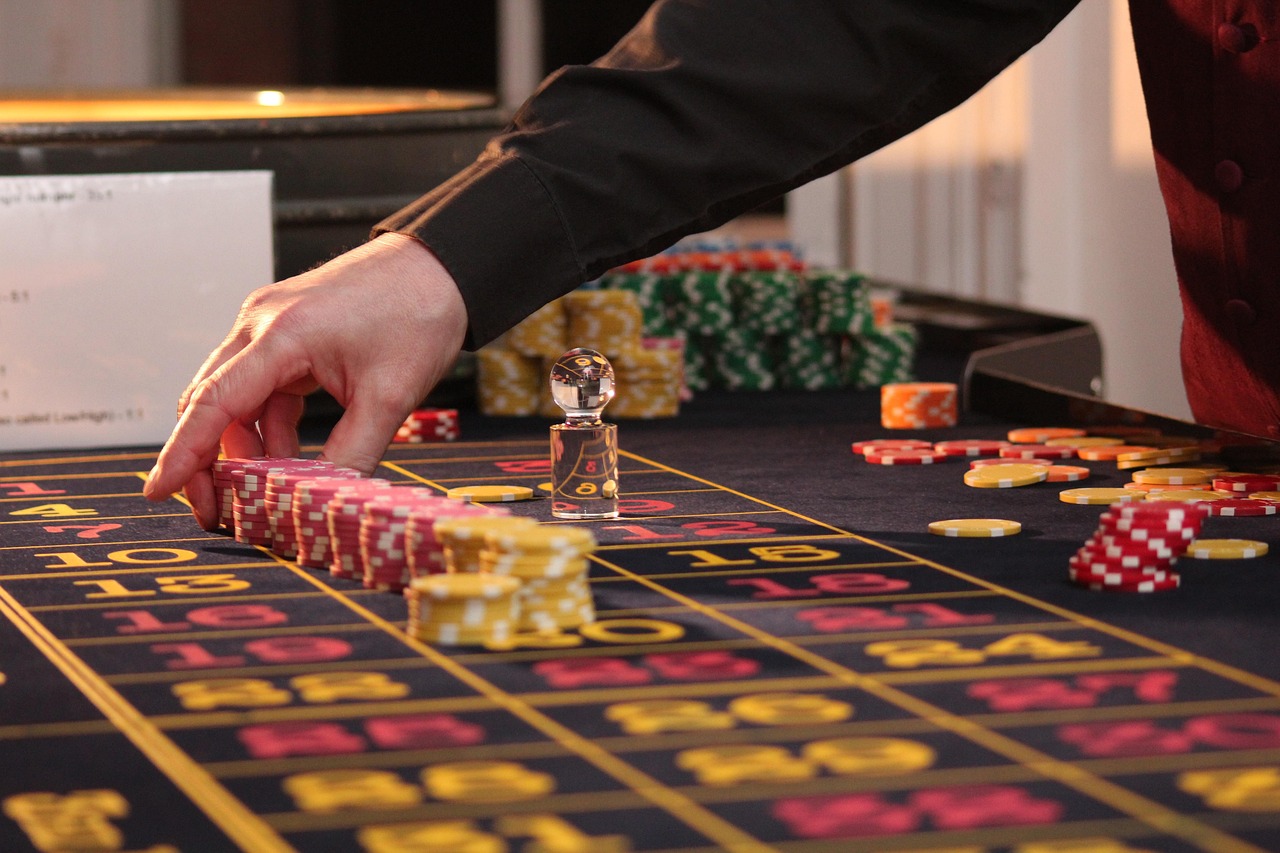
Slots, table games like roulette and blackjack (unless you’re counting, which most casinos will politely stop), and most casino offerings are entertainment products with a built-in cost. Poker and sharp sports betting are the narrow lanes where skill can flip the equation, and even there the margin is thin. The players who last are not the ones chasing jackpots. They’re the ones who understand which game they’re playing, what the math says, and when to walk away. Everything else is noise dressed up as strategy.
So the next time you open a casino app, pause for ten seconds. Ask which species of game is in front of you — RNG entertainment, player-versus-player, or a line you think is mispriced. Answer honestly, size accordingly, and you’ll already be ahead of most of the people clicking spin beside you.
You've probably been there: twenty spins into a session, your balance is bleeding, and the friend next to you just...
Ask ten slot players what "RTP" means and you'll get ten confident answers, most of them half wrong. The number is...
November 28, 2026 - iGaming
November 28, 2026 - iGaming
November 28, 2026 - iGaming
Copyright © 2026 Cornish Motoring. All Right Reserved.