Slots, Poker, and the Real Math Behind Your Bankroll
November 28, 2026 - iGaming


November 28, 2026 - iGaming
November 28, 2026 - iGaming
November 28, 2026 - iGaming
November 28, 2026 - iGaming
Every gambler has heard the phrase. The house always wins. It’s the mantra of casino owners, the cautionary tale whispered by your uncle at Thanksgiving, and the cold, mathematical reality behind every spinning reel. But here’s the thing: if the house always won in the short term, nobody would ever play. The truth is far more interesting. The house wins over time because of a tiny, invisible edge—and the entire ecosystem of iGaming, from slots to poker to sports betting, is built on how players navigate that edge. Understanding variance isn't just academic. It’s the difference between a fun hobby and a financial disaster.
Let’s start with the most misunderstood game in the building. Slot machines, whether physical or digital, are governed by a random number generator (RNG). That RNG doesn't care about your last spin, your birthday, or how much you've lost. Each spin is independent. The consequence is that slots have what’s called a house edge—a built-in mathematical advantage for the casino.
Take a typical video slot with a 96% return to player (RTP). That means, over millions of spins, the machine returns 96 cents for every dollar wagered. The house keeps 4 cents. But here’s the critical part: that 96% is a long-term average. In a single session, you might hit a jackpot that pays 500x your bet, or you might burn through $200 without a single win over your stake. That’s variance.
Consider two slots: one with high volatility and one with low. A low-volatility slot might pay out small amounts frequently—think 2x or 5x your bet every few spins. It feels gentle, but the house edge is the same. A high-volatility slot, like many Megaways titles, might go 50 spins without a win, then suddenly drop a 200x multiplier. Players often gravitate to high volatility because the potential is exciting, but they underestimate how deep their bankroll needs to be to survive the dry spells.
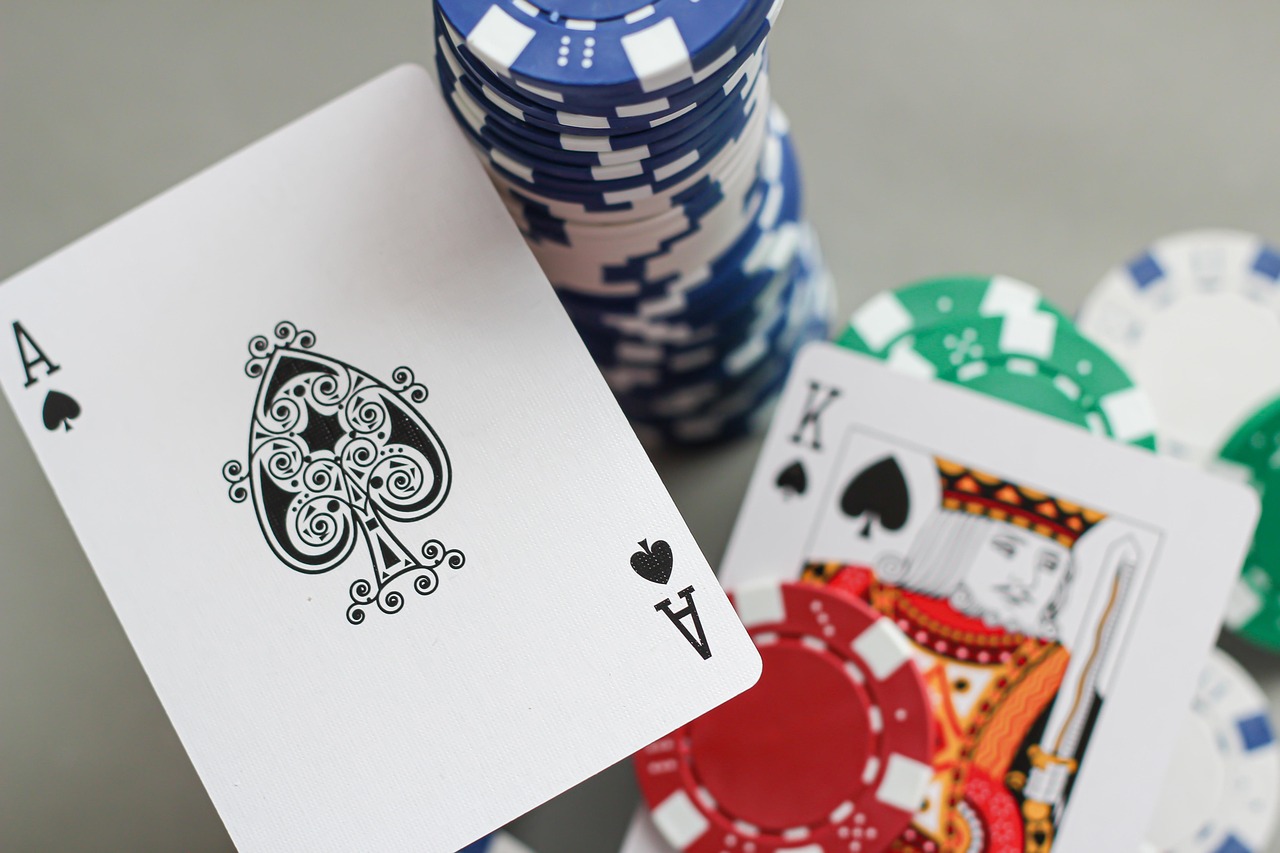
Poker is the exception to the house-edge rule. In casino poker rooms (and online), the house doesn't bet against you. It takes a rake—a small percentage of each pot. That means your long-term win rate depends entirely on your skill relative to your opponents. This is both liberating and brutal.
In Texas Hold’em, a solid player might earn 5 big blinds per 100 hands at low stakes. A losing player might lose 10 big blinds per 100 hands. Over 10,000 hands, that difference compounds. But variance in poker is enormous. You can play perfectly for a month and still lose money because of bad beats—a 90% favorite losing on the river. The key is bankroll management.
Professional poker players often follow the 5% rule: never buy into a cash game for more than 5% of your total poker bankroll. For tournaments, it’s 1-2%. This isn't about being conservative; it’s about surviving the downswings that are mathematically guaranteed. Even a win rate of 10 big blinds per 100 hands will have losing streaks of 20,000 hands or more. Without proper bankroll, you’ll go broke before the math corrects itself.
Sports betting feels different. You’re not playing against a machine; you’re predicting real-world events. But the sportsbook isn’t your opponent—it’s the middleman. The bookmaker sets odds that ensure a profit regardless of the outcome, thanks to the vig (or juice).
Standard odds on a coin-flip bet are -110 on both sides. That means you risk $110 to win $100. The implied probability of each side is 52.4%, but the true probability is 50%. That 2.4% difference is the bookmaker’s edge. Over time, if you bet randomly, you’ll lose 2.4% of every dollar wagered. Some of the clearest guidance on this comes from rumble rummy.
To beat the vig, you need to find value—bets where the true probability is higher than the implied probability. Professional bettors spend hours analyzing injury reports, weather, and line movements. They also understand that a 55% win rate against the spread is excellent and profitable. But even then, a 10-game losing streak is entirely possible. The psychological toll is real.
Every iGaming expert will tell you the same thing: bankroll management is more important than game selection. It’s boring. It’s not fun. But it’s the only way to stay in the game long enough to realize your edge.
Here’s a simple framework for casino games and slots:
For poker and sports betting, the percentages are different, but the principle is identical. You need enough cushion to absorb the inevitable downswings.
iGaming isn’t just math. It’s psychology. Slot designers use near misses—two jackpot symbols with the third just above the payline—to keep you spinning. Sportsbooks show live odds and cash-out offers to trigger impulsive decisions. Poker sites use animations and sounds to reward action.
Understanding these tricks doesn’t make you immune, but it helps. When you feel a surge of excitement after a near miss, recognize it for what it is: a manufactured dopamine hit. The machine didn’t almost pay you. It just displayed a random outcome that looks close. That distinction matters.
Here’s a sobering fact: the “long run” in gambling is much longer than most people imagine. For a slot machine with a 4% house edge, you’d need to play millions of spins to be confident of landing within 1% of the expected return. For a sports bettor with a 2% edge, you might need 10,000 bets to smooth out variance. That’s years of dedicated action.
This is why the house always wins for the casual player. The casual player doesn’t have the bankroll, the time, or the discipline to reach the long run. They play for entertainment, and the house charges a fee for that entertainment. There’s nothing wrong with that—as long as you see it clearly.
The winning players—the ones who actually make money—treat iGaming like a business. They track every bet, study the math, and manage risk like a hedge fund manager. They know that variance is not their enemy; it’s the price of admission. Without variance, there would be no jackpots, no bad beats, no underdog victories. The thrill and the risk are two sides of the same coin.
So next time you deposit $50 and spin the reels, ask yourself: are you paying for entertainment, or are you trying to beat the math? Both are valid. But only one is likely to leave you smiling when the session ends.
Most players lose money at online casinos for the same embarrassing reason: they treat every game as if it belongs...
You've probably been there: twenty spins into a session, your balance is bleeding, and the friend next to you just...
November 28, 2026 - iGaming
November 28, 2026 - iGaming
November 28, 2026 - iGaming
Copyright © 2026 Cornish Motoring. All Right Reserved.